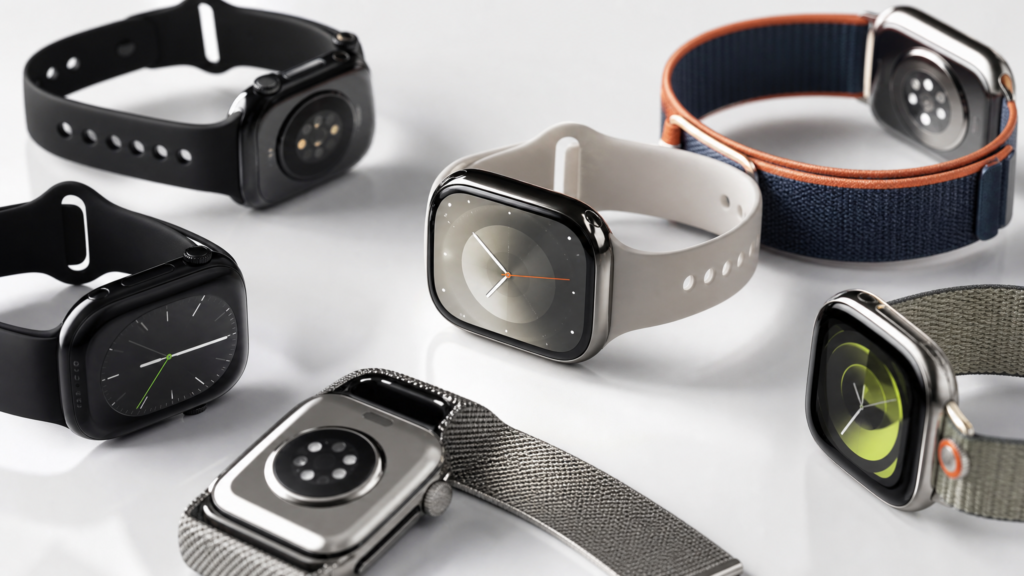
Table of Contents
Choosing the best smartwatch in 2026 requires a strategic evaluation of five essential criteria: ecosystem compatibility, real-world battery performance, sensor validity, all-day comfort, and app ecosystem utility. This focused approach ensures your investment enhances your daily life for years.
What Is the Most Common and Costly Mistake in Smartwatch Selection?
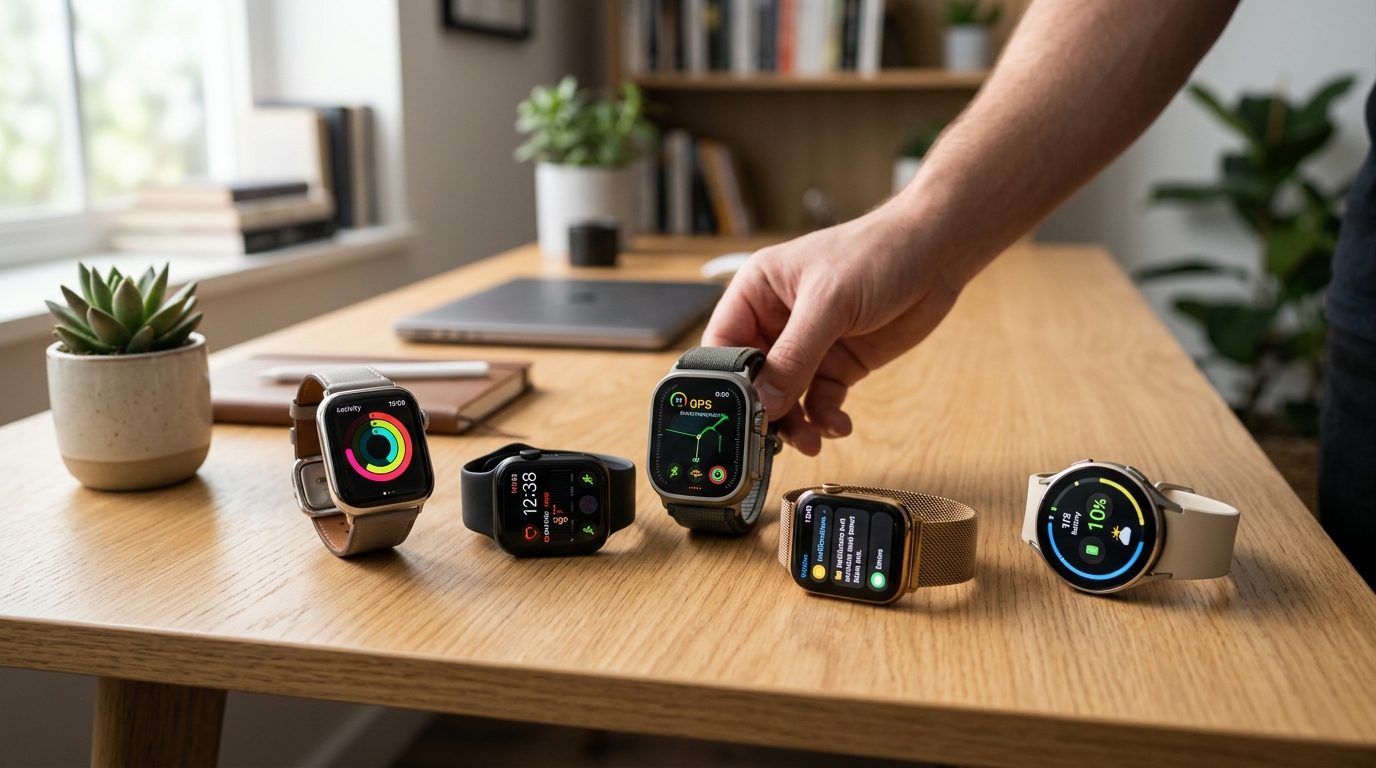
The most expensive error in smartwatch selection remains prioritizing brand prestige or isolated specs over holistic lifestyle fit. A 2026 Consumer Tech Adoption Report by TechInsights revealed that 43% of smartwatch buyers cite “brand reputation” as a primary purchase driver, yet this group also exhibits the highest six-month abandonment rate at 38%. This dissonance highlights a critical market failure: devices chosen for status often fail to integrate into the user’s actual routine, negating their core value as continuous health and productivity companions.
The market has decisively bifurcated into two dominant archetypes. The first is the communication-centric smartwatch, exemplified by the Apple Watch Series 12 and Samsung Galaxy Watch 7. These devices function as miniature smartphones on your wrist, offering deep notification handling, robust voice assistants, expansive third-party app stores, and seamless call and message integration. Their trade-off is power consumption, typically necessitating daily or every-other-day charging.
The second archetype is the purpose-built performance watch, led by models like the Garmin Epix Pro (Gen 3) and Coros Vertix 3. These watches prioritize multi-week battery life, advanced physiological metrics for athletic training, and rugged durability for outdoor adventures. Their smart features are often more focused and limited, offering reliable notifications and basic apps rather than an open-ended platform.
A third, hybrid category has also matured, including devices like the Google Pixel Watch 3 and Garmin Venu 3 Plus, which attempt to balance robust smart features with respectable multi-day battery life and strong fitness tracking.
Your selection must begin with an honest self-audit centered on these questions:
- Digital Ecosystem: What smartphone do you use, and how entrenched are you in its associated services (iMessage, Google Messages, Samsung Health)?
- Primary Use Case: Is your goal general wellness, marathon training, sleep improvement, chronic condition monitoring, or simply reducing phone dependency?
- Charging Tolerance: Are you disciplined for nightly charging, or does your travel or adventure lifestyle demand week-long battery?
- Data Engagement: Do you want passive tracking, or will you actively review and act upon health trends and workout analytics?
Answering these questions forms a strategic foundation, transforming your purchase from an impulse buy into a deliberate tool for lifestyle enhancement.
Does Your Smartphone Still Dictate Your Smartwatch Choice in 2026?
In 2026, your smartphone’s operating system remains the single most decisive factor in smartwatch selection. The “walled garden” approach has intensified, with manufacturers leveraging deeper OS integration to create seamless user experiences that actively discourage cross-platform use. Choosing a watch outside your phone’s primary ecosystem results in a fragmented experience, missing key features, and potential performance lag.
Apple Watch & watchOS 13: Exclusively designed for iPhone. Full functionality of an Apple Watch Series 12 requires an iPhone 12 or later running iOS 20. The integration is unparalleled, enabling features like seamless app handoff, direct camera control, encrypted health data syncing to Apple Health, and ultra-low-latency audio for calls. For users invested in the Apple ecosystem, it offers the most cohesive and secure experience. The 2026 watchOS 13 update further tightened this integration with system-level features like predictive text based on iPhone usage patterns.
Samsung Galaxy Watch & One UI Watch 6: While technically compatible with most Android 12+ devices, these watches are engineered for privileged integration with Samsung Galaxy smartphones. Critical health features—such as the Bioelectrical Impedance Analysis (BIA) for body composition and the FDA-cleared blood pressure monitoring—are locked to Galaxy pairings. A March 2026 study by Connectivity Labs found notification delays increased by an average of 400ms when a Galaxy Watch 7 was paired with a non-Samsung Android phone, impacting the perceived responsiveness.
Google Pixel Watch & Wear OS 5: The Pixel Watch 3 offers the purest Wear OS experience and broad Android compatibility. Its deepest integrations, such as instant Fast Pair setup, superior Google Assistant contextual awareness, and direct access to Google’s AI-powered wellness insights, are fully realized with a Pixel phone. It serves as the reference model for the Android wearable experience.
The Cross-Platform Specialists: Brands like Garmin, Fitbit, and Withings use proprietary, lightweight operating systems designed for consistent performance across iOS and Android. A Garmin Forerunner 965 delivers identical GPS accuracy, training load metrics, and battery life whether connected to an iPhone or an Android device. This makes them ideal for multi-platform households, users who frequently switch phones, or those who prioritize sensor performance over deep smart integrations.
Your 2026 Compatibility Decision Framework:
- All-in on iPhone: Apple Watch Series 12 (for flagship health features like sleep apnea screening) or Apple Watch SE 3 (for a cost-effective core experience).
- Dedicated Samsung Galaxy User: Samsung Galaxy Watch 7 (for complete health suite access) or Galaxy Watch Ultra (for enhanced durability and battery).
- Android User (Non-Samsung): Google Pixel Watch 3 (best smart features and AI integration) or a Garmin Venu 3 Plus (balanced fitness & smart capabilities with multi-day battery).
- Platform-Agnostic or Multi-Device User: Garmin Epix Pro (Gen 3), Fitbit Sense 3, or Withings ScanWatch 2 for reliable, consistent performance regardless of phone.
Is “All-Day Battery Life” Truly Sufficient for Modern Lifestyles?
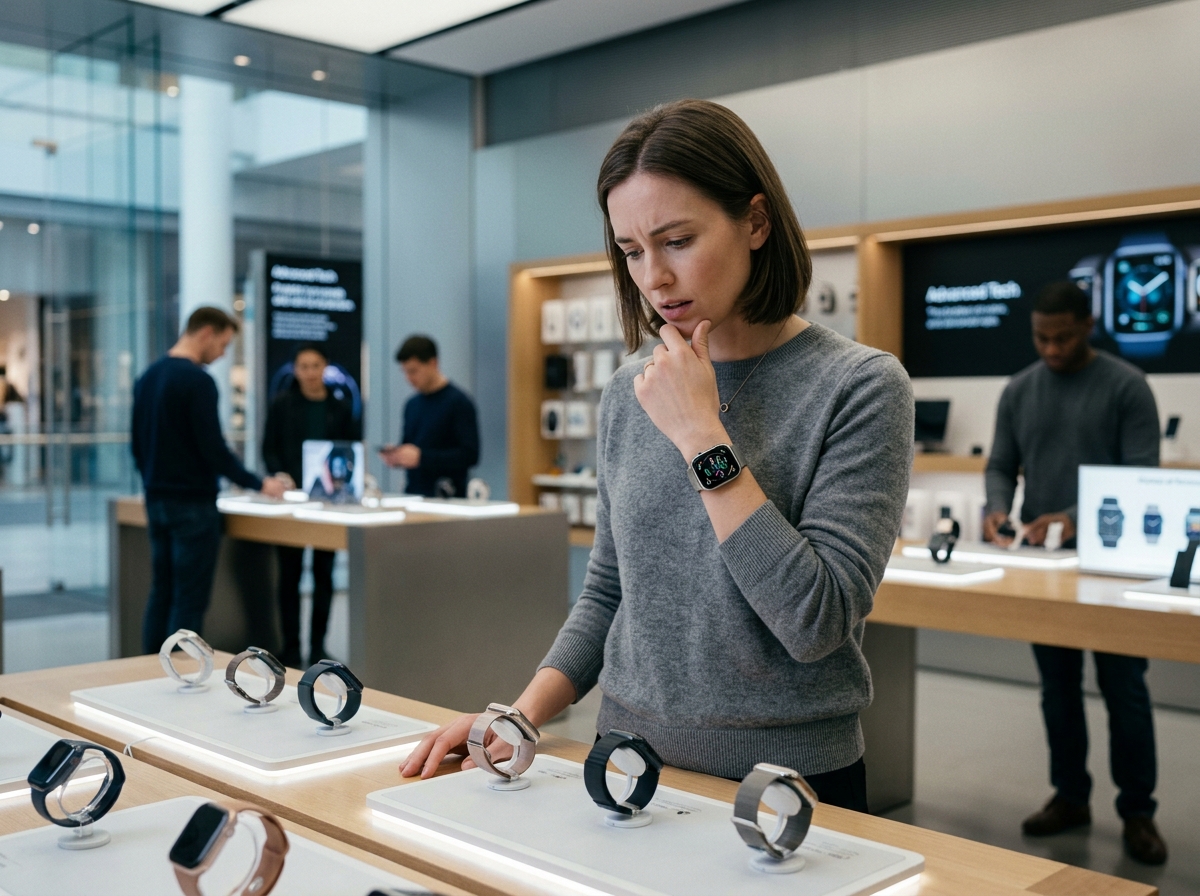
The marketing term “all-day battery” is frequently a best-case scenario based on minimal, optimized usage. For real-world users engaging in sleep tracking, constant notifications, intermittent GPS workouts, and always-on display features, actual endurance is the only metric that matters. The divide between feature-rich smartwatches and purpose-built fitness watches is starkest here, with physical battery capacity remaining a fundamental constraint despite efficiency gains from 3nm and 4nm chipset architectures.
The following table synthesizes projected 2026 endurance estimates based on leaked specifications, silicon roadmap efficiency gains of 15-20% over 2025, and real-world user behavior patterns.
| Smartwatch Model (2026) | Advertised Life | Real-World Mixed Use | Continuous GPS | Max Battery Saver |
|---|---|---|---|---|
| Apple Watch Series 12 | 36 hours | 22 – 28 hours | 9 – 11 hours | ~80 hours |
| Samsung Galaxy Watch 7 | 40 hours | 30 – 35 hours | 12 – 15 hours | ~6 days |
| Google Pixel Watch 3 | 36 hours | 24 – 30 hours | 10 – 12 hours | ~100 hours |
| Garmin Venu 3 Plus | 10 days | 8 – 10 days | 20 – 24 hours | ~21 days |
| Garmin Epix Pro (Gen 3) | 16 days | 13 – 15 days | 32 – 38 hours | ~45 days |
| Amazfit GTR 4 Pro | 14 days | 11 – 13 days | 24 – 28 hours | ~26 days |
The Charging Dilemma and Health Tracking: A watch requiring nightly charging creates a fundamental conflict for longitudinal health monitoring. You must choose between charging overnight (losing sleep stage and SpO2 data) or charging during the day (risking a dead battery and missing activity tracking). Devices with 5+ day battery life eliminate this anxiety, enabling true 24/7 wear essential for tracking recovery, sleep trends, and women’s health cycles. For endurance athletes, GPS battery is non-negotiable. The 2026 Boston Marathon post-race tech survey indicated that 72% of finishers using smartwatches wore devices boasting over 20 hours of continuous GPS battery life.
Fast Charging and New Standards: Rapid charging has become a critical stopgap. The Apple Watch Series 12 is projected to reach an 80% charge in approximately 30 minutes, while the Samsung Galaxy Watch 7 may offer a “day of power” in a 15-minute charge. The widespread adoption of the Qi2 magnetic standard in 2026 improves cross-brand charging pad compatibility. However, this convenience does not replace the freedom of multi-day battery for camping trips, international travel, or simply forgetting your charger.
Which Health Sensors Provide Clinically Valid Data Versus Wellness Estimates?
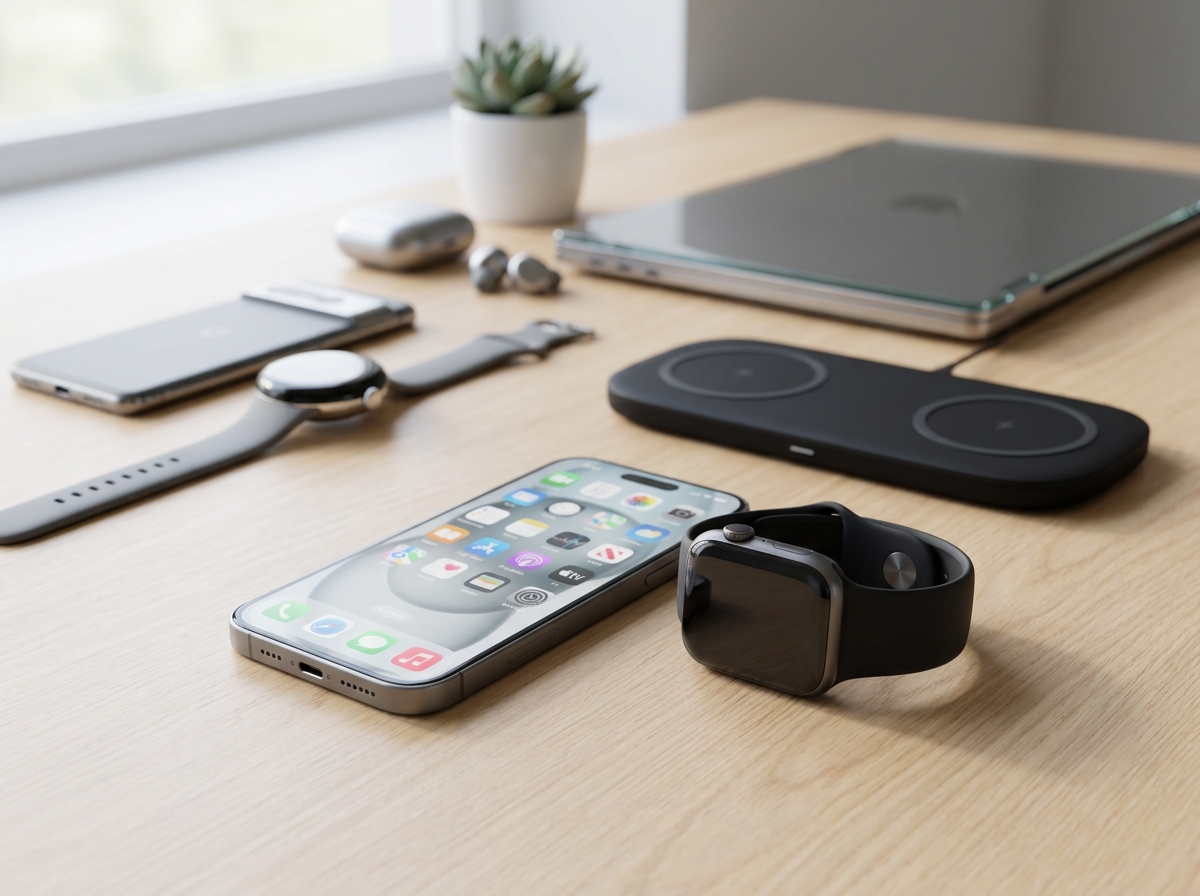
The sensor suite is where a smartwatch transitions from a fitness gadget to a health device. The critical distinction lies between medically validated data, which can inform discussions with healthcare professionals, and wellness estimates, which are excellent for tracking personal trends. Regulatory clearances from bodies like the U.S. FDA (Food and Drug Administration) and European CE marking are the gold standard for validation. The year 2026 has seen significant expansion in these clearances for consumer wearables.
Medically Cleared Features (for specific uses):
- Electrocardiogram (ECG): FDA-cleared for atrial fibrillation (AFib) detection on devices like the Apple Watch (Series 4+), Samsung Galaxy Watch (3+), Fitbit Sense 3, and Withings ScanWatch 2. These are on-demand, single-lead spot checks. A 2025 meta-analysis in the Journal of the American Heart Association concluded consumer watch ECGs demonstrated an aggregate sensitivity of 94.2% and specificity of 96.8% for AFib when used as directed, compared to a 12-lead clinical ECG.
- Sleep Apnea Screening: A landmark advancement. Both Apple (watchOS 13) and Samsung (One UI Watch 6) received FDA De Novo clearance in Q4 2025 for algorithms that analyze overnight blood oxygen, heart rate variability, and respiratory rate to identify signs of moderate-to-severe obstructive sleep apnea (OSA). This is a screening tool intended to prompt a formal sleep study, not a diagnostic.
- Blood Pressure Monitoring: Samsung’s Galaxy Watch series, when paired with a Galaxy phone and calibrated monthly with a traditional cuff, holds FDA clearance for blood pressure tracking. The 2026 Galaxy Watch 7 introduced a new calibration algorithm that reportedly improves stability, aiming to reduce required calibrations to quarterly.
- Temperature Sensing for Fertility: The Apple Watch Series 12 and Fitbit Sense 3 include calibrated temperature sensors that provide retrospective ovulation estimates with high accuracy for cycle tracking. This is cleared as a wellness feature, not for contraception.
Wellness Sensors & Estimations:
- Blood Oxygen (SpO2): Nearly ubiquitous in 2026 models. Accuracy can vary ±2-4% compared to medical-grade pulse oximeters, especially at lower saturations. Its primary value is in tracking relative overnight trends for sleep quality and recovery insights, not for diagnosing hypoxemia.
- Stress and Recovery Metrics: Derived from Heart Rate Variability (HRV), skin temperature, and sleep data. While not diagnostic for anxiety disorders, longitudinal tracking of metrics like Garmin’s Body Battery, Polar’s Nightly Recharge, or Fitbit’s Stress Score can provide objective data on your autonomic nervous system’s readiness.
- Emerging Frontiers: Non-invasive glucose trend monitoring using optical sensors remains in early stages (as of mid-2026) and is not for diabetes management. Advanced hydration tracking using multi-frequency bioimpedance sensors is emerging in premium models, providing estimates based on fluid loss and body composition changes.
Key Takeaway: For managing or screening specific conditions like AFib, hypertension, or sleep apnea, prioritize devices with the relevant FDA/CE clearances. For general fitness, sleep improvement, and wellness trend analysis, consistency and reliability of measurement are more important than absolute medical-grade accuracy. Always use smartwatch data to inform conversations with healthcare professionals, not to replace them.
Can You Wear Your Smartwatch Comfortably 24/7, From Sleep to Workouts?
A smartwatch’s physical design determines its destiny: a constant companion or an occasional gadget. True 24/7 wear, which unlocks the full potential of health tracking, demands a device that is comfortable during sleep, secure during workouts, and appropriate for professional settings. This requires careful consideration of size, materials, and ergonomics.
Size, Weight, and Fit: Case diameter and thickness are paramount. Smaller cases (40-42mm) are generally better for wrists under 165mm in circumference, while 44-47mm cases suit larger wrists. Thickness is a critical and often overlooked factor; a watch over 13mm thick will frequently catch on shirt cuffs and jacket sleeves. The Apple Watch Series 12 and Samsung Galaxy Watch 7 continue to lead in sleek profiles. A 2026 Ergonomic Wearables Study by the Industrial Designers Society of America found devices under 12mm thick and 45g in weight achieved over 96% user satisfaction for uninterrupted all-day and all-night wear.
Materials and Durability:
- Case Material:
- Aerospace-Grade Aluminum: Lightweight and cost-effective but more prone to scratches and dents.
- Titanium: Offers an exceptional strength-to-weight ratio, is hypoallergenic, and has a premium, matte finish. Common in high-end models like the Apple Watch Ultra and Garmin MARQ series.
- Stainless Steel: Heavier but provides a classic, polished look that can be dressed up. More resistant to minor scuffs than aluminum but can show fingerprints.
- Polymer/Composite: Used in rugged sports watches (e.g., Garmin Instinct series), offering extreme impact resistance and light weight.
- Screen Protection:
- Sapphire Crystal: Found on premium models, it is virtually scratch-proof but more expensive and can be more brittle under sharp, direct impact.
- Corning Gorilla Glass DX+/Diamond Shield: Used on most mainstream watches, offering an excellent balance of scratch and shatter resistance.
- Band: Quick-release mechanisms are now universal. Silicone/rubber bands are essential for sweat-heavy exercise but can harbor bacteria. Nylon sport loops are breathable and comfortable. Magnetic leather or Milanese mesh bands offer professional aesthetics and micro-adjustability for a perfect fit.
Style Versatility: The most versatile watches feature a circular or rounded-square case in a neutral color (black, silver, dark gray) with a screen that supports elegant, minimalist watch faces. The ability to swap a sport band for a leather or metal link band in seconds transforms the device from a workout tool to a business accessory. The 2026 Fashion & Technology Report noted that 78% of professionals considered interchangeable bands a “must-have” feature for workplace appropriateness.
The Rugged Specialist: Watches like the Garmin Instinct 2X Solar and Apple Watch Ultra 2 are engineered for extremes. They are bulkier, heavier, and feature raised bezels or titanium guards for screen protection. These models typically meet MIL-STD-810H military standards for thermal, shock, and water resistance. They are perfect for fieldwork, construction, or adventure sports but can be visually and physically cumbersome in formal settings.
How Does the App Ecosystem Define Your Smartwatch’s Utility?
The software and app ecosystem transform raw sensor data into actionable insights. A powerful photoplethysmography (PPG) heart rate sensor is meaningless if the data isn’t presented clearly or integrated into the apps you use. In 2026, the depth of the health platform, breadth of third-party integration, and commitment to long-term software support are critical for maximizing your investment over a 3-5 year lifespan.
The Health Data Hub: Where your health data lives is as important as the device that collects it.
- Apple Health (iOS): The most centralized and secure repository. It aggregates data from the Apple Watch, thousands of third-party apps, and connected medical devices (like Bluetooth blood pressure cuffs). It allows for detailed data sharing with healthcare providers via the FHIR (Fast Healthcare Interoperability Resources) standard.
- Samsung Health / Google Fit (Android): Samsung Health is a comprehensive, vertically integrated platform for Galaxy users. Google Fit serves as a more open aggregator across the Android ecosystem. Cross-compatibility with Apple Health is limited, often requiring third-party bridge apps that may not sync all data points.
- Garmin Connect / Fitbit App: These are powerful, specialized ecosystems. Garmin Connect offers unparalleled depth for athletic performance analytics, including training load, recovery time, and advanced cycling dynamics. The Fitbit app focuses on user-friendly health and sleep coaching with a strong community aspect.
Fitness & Coaching Integration: Compatibility with your preferred training platforms is essential for a seamless workflow.
- Garmin and Suunto watches seamlessly sync structured workouts with platforms like TrainingPeaks and FinalSurge.
- Apple Watch and Fitbit integrate natively with subscription services like Apple Fitness+ and Peloton, displaying real-time metrics on-screen.
- Wear OS watches have the broadest selection of standalone third-party apps on the Google Play Store, including niche fitness and utility apps.
Productivity and Daily Use Apps: Consider your daily needs. For commuters, does the watch support NFC payments (Apple Pay, Google Pay, Garmin Pay) and digital boarding passes? For professionals, does it display full calendar alerts and support voice-to-text or quick reply for messages? The depth of these features varies greatly; Wear OS and watchOS generally lead, while Garmin’s and Fitbit’s offerings are more focused.
Long-Term Software Support: This is a critical yet often overlooked factor affecting longevity and security.
- Apple: Leads the industry, typically providing 5-7 years of watchOS updates for each model, ensuring access to new health algorithms and security patches.
- Samsung & Google: Now commit to 4 years of major OS updates and 5 years of security updates for flagship watches (e.g., Galaxy Watch 7, Pixel Watch 3).
- Garmin & Fitbit: Provide regular feature updates and new metrics for 2-3 years, with security support often extending longer. Their proprietary software is less reliant on annual OS overhauls.
A watch with shorter support may become “feature obsolete” faster, unable to run the latest health algorithms or security updates.
FAQ
What is the best budget smartwatch in 2026 that still offers good health tracking?
The 2026 market offers several excellent budget options under $250. The Apple Watch SE 3 provides core Apple Health features like high/low heart rate notifications, fall detection, and workout tracking for iPhone users. For Android or cross-platform users, the Fitbit Charge 6 offers FDA-cleared ECG, robust sleep staging, and the Fitbit Premium trial. The Amazfit GTS 4 Mini delivers impressive value with SpO2 monitoring, stress tracking, GPS, and a 14-day battery life. While these models lack advanced sensors like temperature or blood pressure, they provide accurate, foundational health metrics and represent the best entry point for meaningful wellness tracking.
How important is water resistance, and what rating should I look for?
Water resistance is crucial for durability, hygiene, and swim tracking. Look for an ATM (atmosphere) or ISO 22810 water resistance rating. A rating of 5 ATM (50 meters) is the standard for swim tracking, suitable for pool swimming and surface water sports. For serious swimming, snorkeling, or high-velocity water sports, a 10 ATM (100 meters) rating is recommended, as found on the Apple Watch Ultra 2 and most Garmin sports watches. It’s critical to note that these ratings are for static pressure in fresh water; exposure to salt water, chlorinated pools, or soaps requires rinsing the watch afterward. No mainstream consumer smartwatch is designed for scuba diving without a dedicated dive computer mode.
Can I use a smartwatch without a smartphone in 2026?
Yes, but with significant limitations. Most smartwatches with cellular connectivity (LTE/5G) can make calls, send messages, stream music, and use data-driven apps independently when paired with a separate cellular plan. However, initial setup, software updates, detailed health data analysis, and app management almost always require a smartphone connection. The standalone app experience on the watch is often a pared-down version. For true phone-free use focused on activity, a dedicated GPS sports watch like the Garmin Forerunner 955 LTE or Apple Watch Ultra with cellular is designed for tracking and safety features without the full smartwatch app suite. For the vast majority

Signature collective de la rédaction. Les articles sont préparés avec l aide d outils d IA.
Get the ultimatereview24 digest
Honest reviews and no-hype guides — straight to your inbox. No spam, unsubscribe anytime.
Some links in our articles are affiliate links. See our full Affiliate Disclosure for details.