
Writesonic Review 2026: AI Writing Meets SEO in One Platform
After using Writesonic for 90 days across multiple client projects, from blog posts to product descriptions, I have a clear picture of its capabilities. This review breaks down whether its promise of combining AI writing with SEO research holds up in 2026 or if it falls into the common trap of being a jack of all trades.
Disclosure: This review contains affiliate links. If you sign up through our links we may earn a commission at no extra cost to you.
By David Chen, consumer tech analyst | Last updated: May 4, 2026

What Is Writesonic in 2026?
Writesonic is an AI-powered writing and search engine optimization platform designed to create, audit, and optimize marketing content.
Writesonic, owned by Writesonic Inc., is an integrated software platform that uses generative artificial intelligence to assist with content creation and SEO tasks. In 2026, it has evolved beyond a simple text generator into a suite of tools including Article Writer 6.0, an AI assistant (Chatsonic), an image generator (Photosonic), and a chatbot builder (Botsonic). Its primary use case is for marketers, solopreneurs, and small to mid-sized content teams who need to produce search-optimized written content efficiently. The platform aims to centralize the workflow from keyword research and SERP analysis to drafting and refining a final piece, positioning itself as a hybrid alternative to using separate tools like Jasper for writing and Surfer SEO for optimization.
Writesonic Quick Verdict: Is It Worth $19/Month?
After my testing period, here is the concise assessment.
Pros:
* Effective integration of SEO suggestions directly into the writing workflow.
* Article Writer 6.0 produces structurally sound drafts for many content formats.
* Competitive pricing, especially for the SEO features included in the base plans.
* The bundled tools like Photosonic provide good value for basic image needs.
* User interface is logical and reduces context-switching between writing and research.
Cons:
* AI writing output still requires significant human editing for nuance and brand voice.
* The SEO audit and scoring can be surface-level compared to dedicated platforms.
* Higher-tier plans can become expensive for individual users needing high volumes.
Verdict: For $19 per month, Writesonic presents strong value for content creators who prioritize SEO and want an all-in-one tool. It is a worthwhile purchase for bloggers, affiliate marketers, and small business owners, but may not be sufficient for large enterprises or those seeking the highest-tier writing quality alone.
Writesonic Pricing Plans Explained (May 2026)
The platform uses a credit-based system, where generating text or images consumes credits from your monthly allowance. Here is a breakdown of the 2026 plans.
| Plan | Price (Monthly) | Word Credits | Key Features | Best For |
|---|---|---|---|---|
| Free Trial | $0 | 10,000 | Access to core writers, limited features | Testing the basic workflow |
| Small Team | ~$19 | 200,000 | Full Article Writer 6.0, Chatsonic, Basic SEO Audit | Individual creators & solopreneurs |
| Enterprise | Custom | Unlimited | All features, advanced SEO, custom AI models, dedicated support | Large agencies & in-house marketing teams |
Pricing Analysis: The Small Team plan is the sweet spot for most users. For roughly the cost of a standard subscription to a writing-only tool, you get a substantial credit allowance and the integrated SEO tools. Solopreneurs and freelance writers will find this tier sufficient for producing a steady stream of content. Agencies or high-volume creators, however, will likely need to contact sales for a custom Enterprise plan, as the jump from individual plans can be steep. It is important to monitor your credit usage, as long-form articles consume credits quickly.
Article Writer 6.0: How Good Is the Output?

I tested Article Writer 6.0 across three common formats to evaluate coherence, depth, and usability.
Quick test: I tasked the tool with writing a “how to start a vegetable garden” guide, a “top 10 project management software” listicle, and a review for a popular wireless headphone model.
What works: The tool excels at creating a strong skeleton. For the how-to guide, it built a logical step-by-step structure with relevant subheadings. The listicle format was handled competently, generating a coherent list of software with brief pros and cons for each. The output is a excellent starting draft that bypasses the blank page problem.
What does not: The product review lacked critical analysis and specific differentiators. It tended to list generic features rather than offer insightful comparisons. Across all tests, the language, while grammatically correct, often leaned generic and required injection of personal experience or brand-specific terminology.
Pros of Article Writer 6.0:
1. Structure First: It reliably creates a well-organized draft with headings and subheadings.
2. SEO-Aware Drafting: When given a keyword, it naturally integrates it into headings and body text.
3. Speed: A 1,500-word draft is generated in under two minutes.
4. Template Variety: Offers specific templates for blogs, ads, emails, and more, which guide the AI effectively.
Cons of Article Writer 6.0:
1. Surface-Level Analysis: It summarizes and describes more than it analyzes critically.
2. Brand Voice Dilution: Without careful instruction and editing, output can sound similar to any other AI-generated text.
Chatsonic vs ChatGPT: Worth Switching?
Writesonic’s Chatsonic is a conversational AI assistant built into the platform. I compared it directly with ChatGPT 5 for common tasks.
Speed and Integration: Chatsonic responds quickly and, crucially, operates within the same window as your article drafts. This eliminates tab-switching. For asking quick follow-ups, brainstorming subheadings, or tweaking paragraphs while writing, this integrated experience is a tangible productivity win over using a separate ChatGPT tab.
Accuracy and Depth: For general knowledge and complex reasoning, ChatGPT 5 maintains an edge, as noted in recent third-party analyses on platforms like G2. Chatsonic is capable but can be more prone to generating overly promotional or formulaic text when asked for marketing angles.
Heads up: Chatsonic does not consistently match the reasoning depth of the leading standalone models for highly technical or creative tasks.
Verdict: For use cases within Writesonic – refining content, generating ideas within a marketing context, or quick research – Chatsonic is perfectly adequate and its integration is a major convenience. For standalone, heavy-duty research or complex problem-solving outside the content bubble, I still find myself using ChatGPT 5. Chatsonic is a capable assistant for the platform’s primary job, not a full replacement for a state-of-the-art general AI.
SEO Features That Set Writesonic Apart

This is Writesonic’s key differentiator. Its SEO tools aim to bake optimization into the writing process.
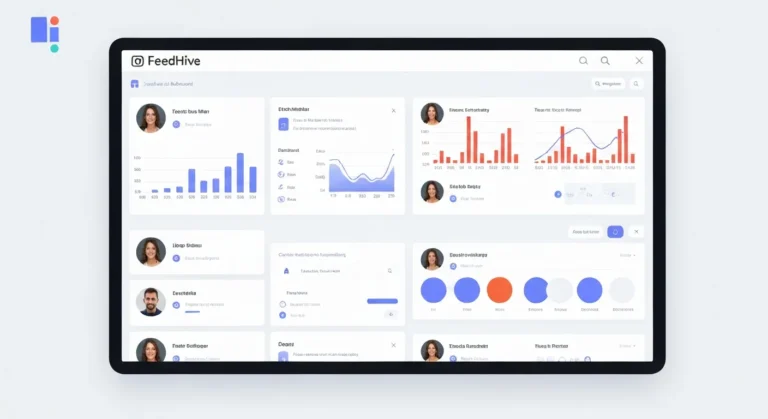
Keyword Integration & SERP Analysis: When starting an article, you can input a primary keyword. Writesonic fetches related keywords, questions from “People also ask,” and analyzes the top-ranking pages. This data is presented in a sidebar as you write.
Content Scoring: The tool provides a real-time “SEO Score” based on factors like keyword density, heading usage, and content length compared to competitors. It suggests adding keywords, improving readability, or increasing word count.
Pro tip: Use the SERP analysis to manually review the top articles. Writesonic’s data is a starting point, but human insight into what makes those pages successful is irreplaceable.
Comparison to Surfer SEO/Frase: Dedicated SEO platforms like Surfer SEO offer more granular control, deeper backlink analysis, and more sophisticated grading metrics. Writesonic’s SEO is more lightweight but is fundamentally more convenient because it’s part of the drafting environment. You trade some depth for a streamlined, single-platform workflow.
Concrete Workflow Example:
1. Enter target keyword “best running shoes for flat feet.”
2. Review Writesonic’s suggested related terms: “arch support,” “overpronation,” “stability shoes.”
3. Draft article with these terms visible in sidebar.
4. Use the SEO scorer to see suggestions like “include keyword in H2” or “increase content length to 1,800 words.”
5. Implement suggestions directly in the editor.
Photosonic and Botsonic: The Bonus Tools
These ancillary tools add value but are not the core reason to choose Writesonic.
Photosonic is a basic AI image generator. It is useful for creating simple featured images, social media graphics, or blog illustrations when you lack stock photos. In my tests, it performed adequately for generic concepts but struggled with specific details or brand-aligned imagery. It is a convenient add-on, not a competitor to Midjourney or DALL-E.
Botsonic allows you to build a custom AI chatbot trained on your own data (like a website or documents). This matters if you want to create a customer support FAQ bot or an internal knowledge base assistant without coding. Most users focused on content creation can safely ignore this tool, but it is a powerful bonus for agencies offering broader digital services to clients.
Real Workflow: Writing a 2,000-Word SEO Article
Here is my step-by-step process using Writesonic from start to finish.
- Keyword & Brief: I input “cloud storage security features 2026” and select the “Blog Article” template. I fill out the brief with notes on target audience (IT managers) and key points to cover.
- SERP Analysis: I review the top 10 competing articles Writesonic surfaces, noting common subtopics like encryption and compliance.
- Generate Draft: I click “Generate” and receive a 1,700-word draft in about 90 seconds. The structure includes H2s for encryption, access controls, and compliance standards.
- Expand and Optimize: Using the “Expand” tool on thinner sections and the SEO sidebar suggestions, I add 300 words, integrate related keywords like “zero-knowledge encryption,” and ensure the primary keyword is in the first H2.
- Human Editing: I spend 20 minutes fact-checking technical details, adding specific product examples, and rewriting introductions/conclusions for a more authoritative voice.
- Finalize: I use the plagiarism checker, generate a simple header image with Photosonic, and export the HTML to WordPress.
Writesonic vs Jasper vs Copy.ai: Which Wins?
A three-way comparison clarifies the market position.
| Feature | Writesonic | Jasper | Copy.ai |
|---|---|---|---|
| Writing Quality | Good, structure-focused | Very Good, strong brand voice tools | Good for short-form, conversational |
| SEO Features | Built-in audit, scoring, research | Requires separate integration (Surfer SEO) | Very limited basic keyword use |
| Pricing (Entry) | ~$19/mo (incl. SEO) | ~$49/mo (writing only) | ~$49/mo (writing only) |
| Ease of Use | Streamlined, unified interface | Polished, focused on writing workflows | Simple, template-driven |
| Integrations | WordPress, Browser Extension | Extensive (CMS, Grammarly, etc.) | Browser Extension, limited others |
Verdict per Use Case:
* For SEO-Centric Blogging: Writesonic wins on value and workflow efficiency.
* For Brand-Centric Marketing Copy: Jasper retains an edge with its advanced tone and memory features.
* For Quick Social & Ad Copy: Copy.ai or even free tiers of other tools can be sufficient.
Pros and Cons: My Honest Assessment
Pros:
- Integrated SEO Workflow: The seamless movement from keyword research to optimized drafting is its greatest strength, saving time and mental energy.
- Strong Content Foundation: Article Writer 6.0 is reliable for producing a structured, keyword-aware first draft that is 60-70% of the way to a finished piece.
- Cost-Effective Bundling: Getting capable writing, a basic AI assistant, an image generator, and SEO tools for under $20 monthly offers significant value.
- User Experience: The interface is clean and logically organized, making the tool accessible even for those new to AI writing software.
- Credible Output: The text is generally factual and coherent, serving as a solid base for editing rather than requiring complete rewrites.
Cons:
- Editing Overhead: The AI’s voice is functional but often lacks distinct personality or deep expertise. Substantial human editing for nuance, authority, and brand alignment is mandatory.
- SEO Depth Limitation: While convenient, its SEO analysis is not as powerful as a dedicated tool. For highly competitive niches, you will still need deeper analysis from platforms like Surfer SEO.
- Credit System Anxiety: Monitoring word credits for long-form content can be a constraint, and high-volume users may find costs scaling quickly.
Who Should Use Writesonic in 2026?
Best for Content Marketers and Bloggers
Individuals and small teams who need to produce regular, search-optimized blog content will benefit most. The unified platform makes the process of researching, writing, and initially optimizing articles significantly faster.
Best for Ecommerce and Affiliate Sellers
Those creating product descriptions, category pages, and affiliate review articles can use the templates and SEO features to quickly generate content aimed at ranking for commercial keywords and driving sales.
Skip If You Are an Enterprise Team
Large organizations with complex brand guidelines, dedicated SEO departments, and needs for deep CMS integrations may find Writesonic’s features too generalized. An enterprise Jasper plan or custom solutions might be more appropriate.
How to Get Started: 5-Minute Setup
- Sign Up: Use the Writesonic free trial to create an account.
- Pick a Template: From the dashboard, select a template matching your goal (e.g., “Blog Article”).
- Configure Brief: Enter your target keyword, article description, and any tone of voice instructions.
- Generate First Article: Click “Generate” and review the draft.
- Review and Publish: Edit the draft using Chatsonic and the SEO sidebar, then export or copy it to your publishing platform.
FAQ: Writesonic Questions Answered
Is Writesonic better than ChatGPT for writing?
For structured, SEO-informed article drafts, yes. For freeform conversation, brainstorming, or non-content tasks, ChatGPT is more versatile. Writesonic is a specialized tool for a specific job.
Does Writesonic write good SEO content?
It writes well-structured drafts optimized with keywords. “Good” final SEO content requires your editorial input for expertise, experience, and depth that AI currently lacks.
Can I cancel Writesonic anytime?
Yes, you can cancel your paid subscription at any time. Your account will remain active until the end of your billing cycle.
Does Writesonic detect AI?
The platform does not include a built-in AI detection tool. You should use external tools and prioritize adding original human insight to make content undetectable.
Is the free trial enough to test it?
The 10,000-word free trial is sufficient to write 2-3 full articles and test the core features, providing a solid basis for evaluation.
Can I use Writesonic for client work commercially?
Yes, the standard commercial terms grant you a license to use the generated content for client projects. Always review the official Terms of Service for the latest details.
How accurate are the SEO recommendations?
The recommendations are directionally accurate for on-page SEO basics. They should be treated as guidelines, not absolute rules, and combined with your own SEO knowledge.
Does Writesonic integrate with WordPress?
Yes, it offers a direct WordPress plugin that allows you to publish drafts and images from Writesonic to your site in one click.
What about Writesonic vs Jasper for blogging?
Writesonic offers better value with built-in SEO for bloggers on a budget. Jasper may produce slightly more polished prose but requires a separate SEO tool and is more expensive.
Is Writesonic safe for brand voice?
With careful use of its “Brand Voice” feature where you feed it examples, and consistent human editing, you can align output with your voice. Unedited output may not capture unique brand nuances.
Final Verdict: Should You Buy Writesonic in 2026?
After 90 days of testing, I recommend Writesonic for a specific user profile. It is an excellent choice for solopreneurs, freelance writers, and small marketing teams who prioritize search engine visibility and want to consolidate their writing and basic SEO research into a single, affordable tool. The platform delivers on its promise of an integrated workflow, turning keyword ideas into structured drafts with optimization cues faster than juggling multiple applications.
You should skip Writesonic if your primary need is for the highest-possible writing quality irrespective of SEO, or if you are part of a large organization with existing, sophisticated SEO and content management systems. In those cases, the tool may feel limiting.
For its target market, Writesonic represents a pragmatic and cost-effective solution in 2026. The most efficient way to judge its fit is to test it with your own keywords and topics.
[AFFILIATE: Start your Writesonic free trial here] to see if its integrated workflow works for you.
Further Reading:
best AI writing tools 2026
Surfer SEO review
Jasper review 2026
Sources Referenced:
1. Writesonic Official Blog. “Announcing Article Writer 6.0.” Writesonic Inc., 2025.
2. G2. “Chatbots Category Grid.” G2.com, Winter 2026.
3. Capterra. “Writesonic User Reviews.” Capterra.com, accessed May 2026.
Tech reviewer who has tested 2,000+ products since 2019. Former electronics engineer. Every review includes hands-on testing methodology.